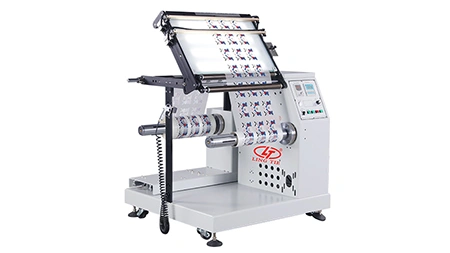
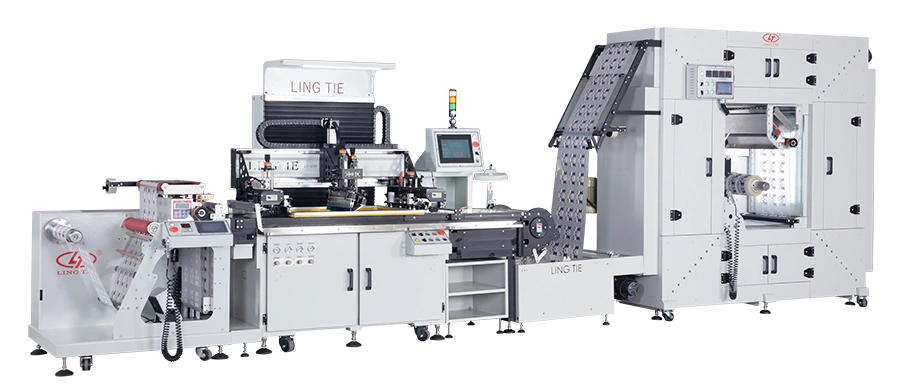
Roll-to-Roll Screen Printing Line
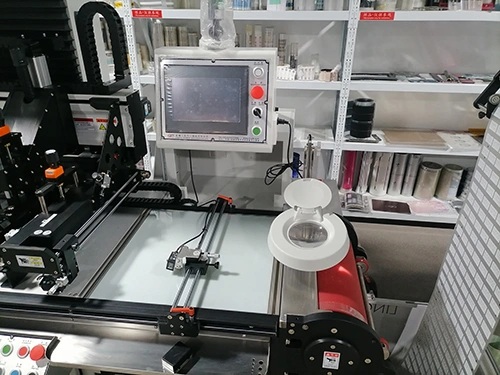
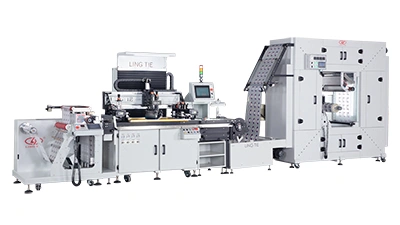
Roll-to-roll screen printing lines are used for continuous, high-volume printing on flexible materials supplied in rolls. The web first passes through the unwinding and web-guiding sections, which keep the material properly tensioned and aligned before printing. At the screen printing station, the squeegee moves across the screen and presses ink through the open mesh areas onto the material. The printed web then passes through a drying or curing unit before it moves to another printing station or is rewound. Depending on the production process, the screen printing line can also include additional printing stations, UV curing, inspection, laminating, and other web-processing units.
-
 Watch Videos
Advantages
- In a roll-to-roll screen printing line, the material moves continuously from unwinding to printing, drying, and rewinding. Operators do not need to stop and handle individual sheets, which makes the line a better fit for longer production runs.
- Closed-loop tension control keeps the web steady as it moves through the line, and automatic web alignment keeps the material in the correct position. Good control of both helps prevent registration problems during continuous printing.
- Roll-to-roll screen printing lines have a modular configuration, so the number of screen printing stations and drying or curing units can be selected according to the required printing process. Additional units can also be added when production requirements change.
- Roll-to-roll production can reduce material waste because the web does not need the same extra margins required when individual sheets are handled one by one. Using material efficiently is important when the material is an expensive film or another high-value technical substrate.
Components
-
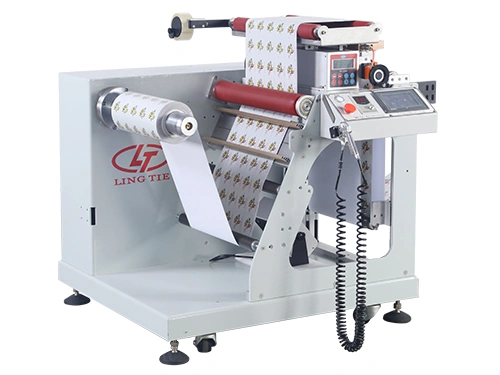
Automatic feeder
-
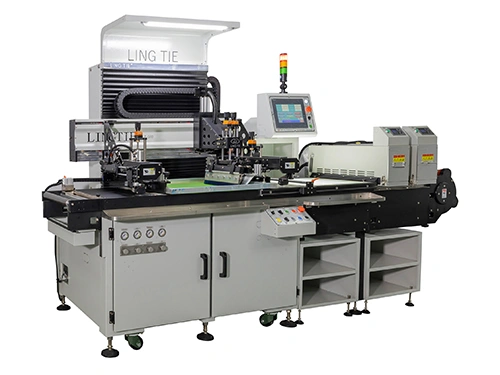
Automatic printing press
-
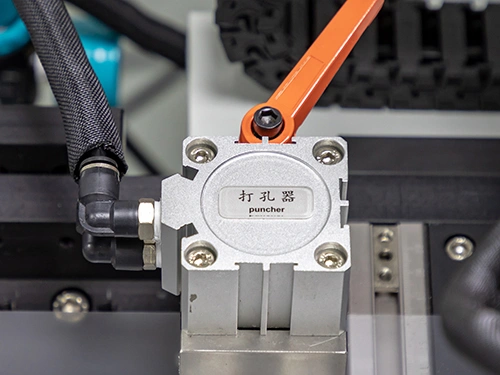
Punching unit
-
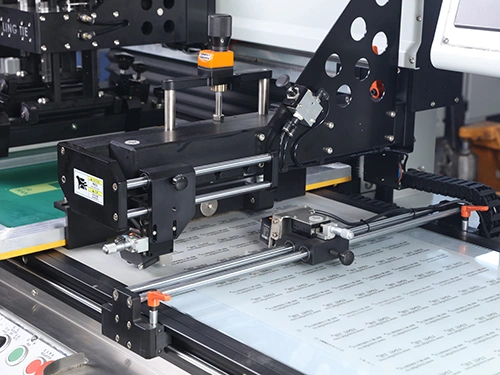
Automatic registration system (optional)
-
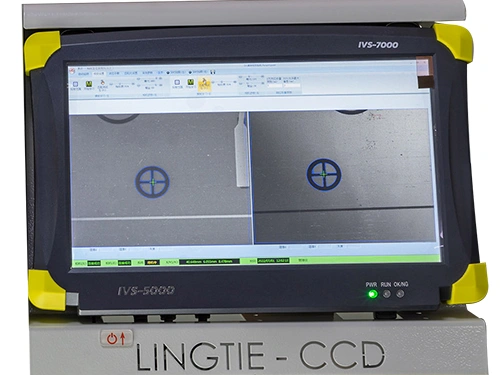
Automatic CCD vision registration system (optional)
-
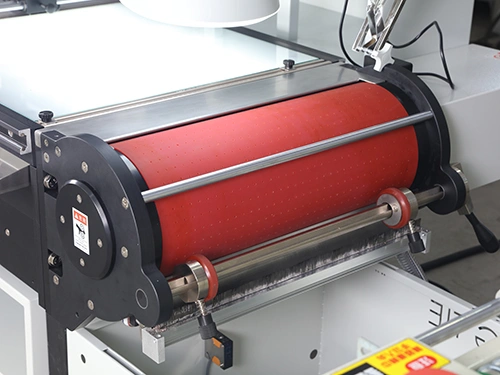
Vacuum pull roller (optional)
-
Tunnel oven (optional)
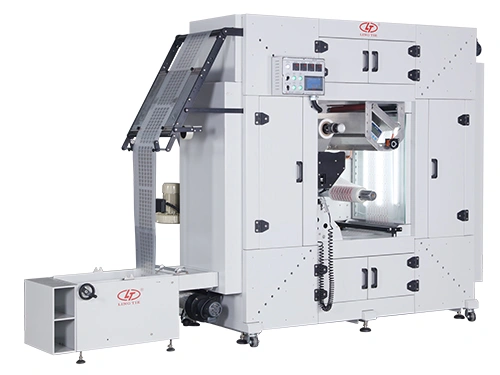
-
Web guiding system (optional)
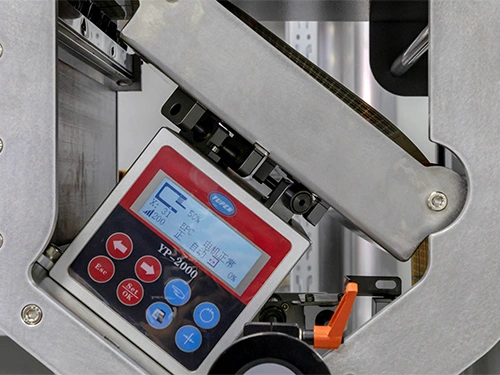
-
Constant-speed control
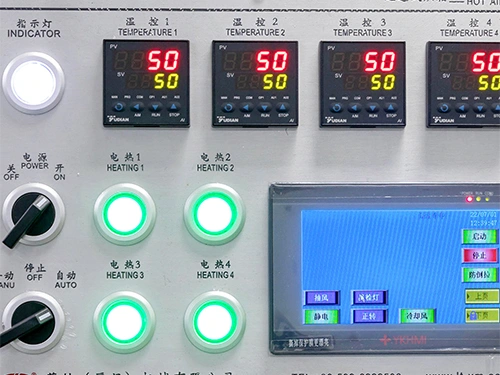
-
Anti-scratch handling system and static eliminator (both optional)
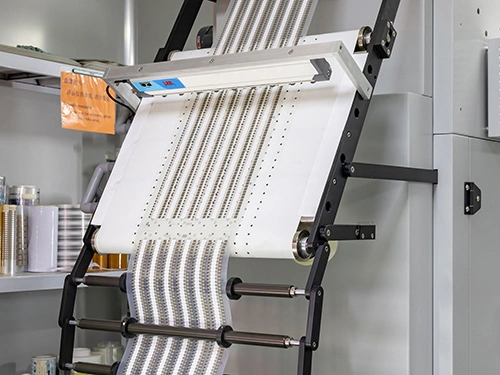
-
Web-guiding and laminating units (optional)
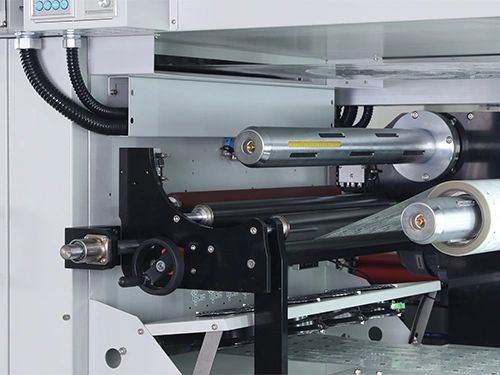
-
Automatic CCD vision registration (optional)
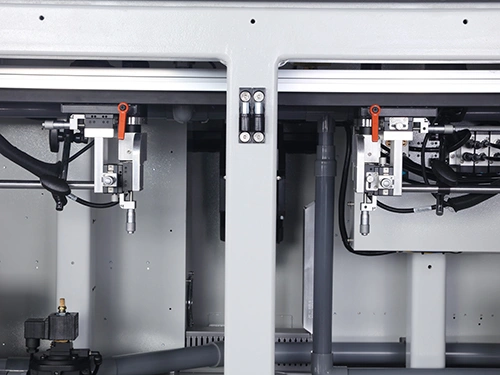
-
Digital position adjustment unit (optional)
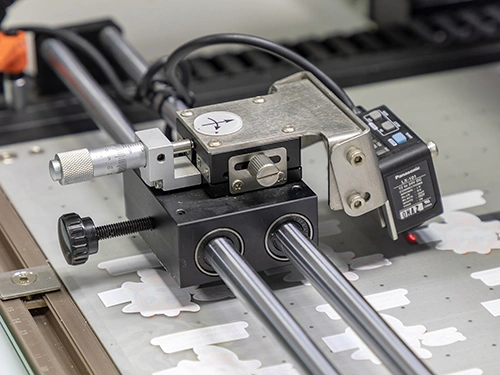
-
Servo lifting system (optional)
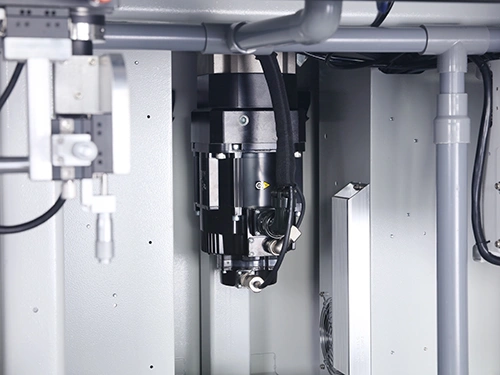
-
UV / LED UV curing unit (optional)
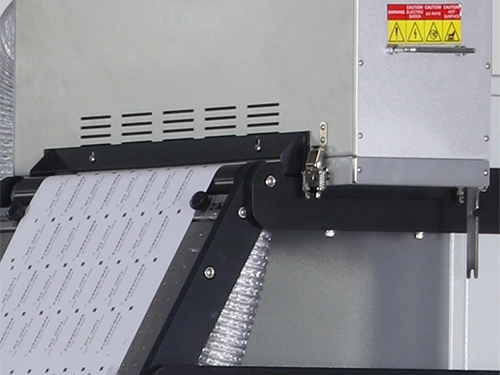
-
Film peeling unit (optional)
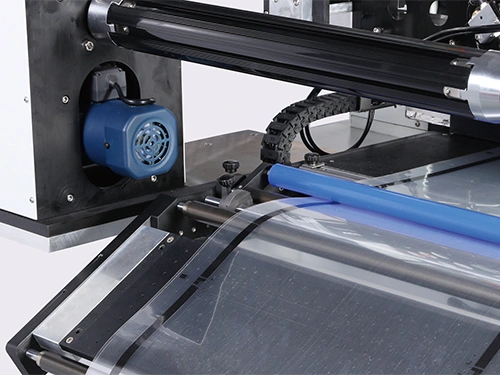
-
Web cleaning unit (optional)
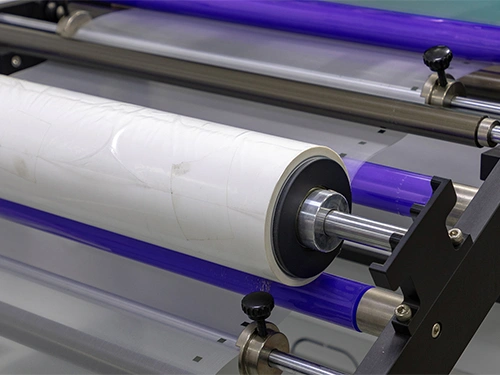
-
Inspection table (optional)