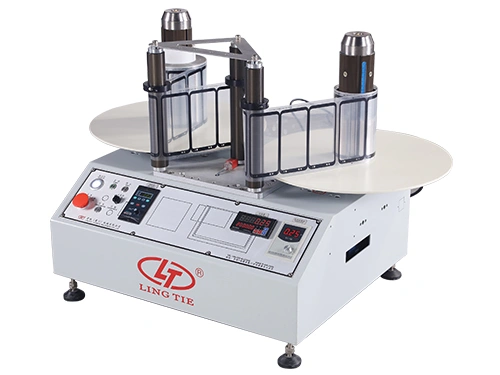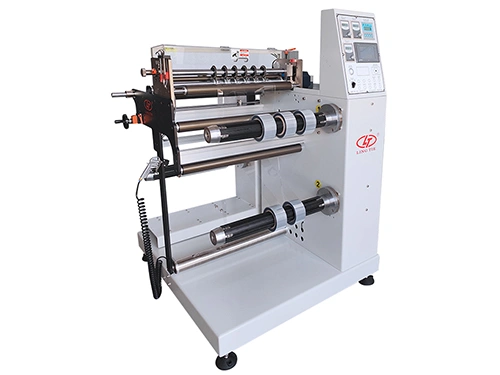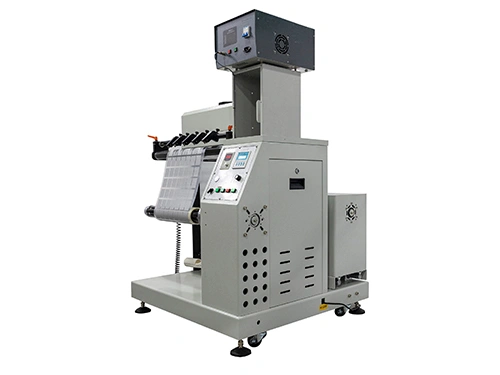
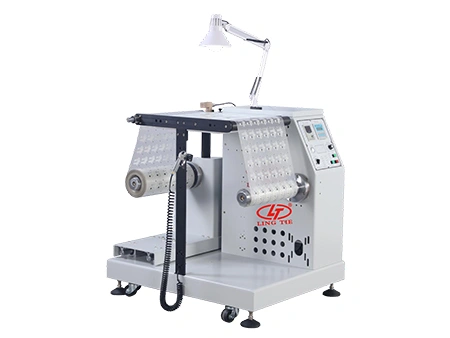
Doctoring Rewinding Machine

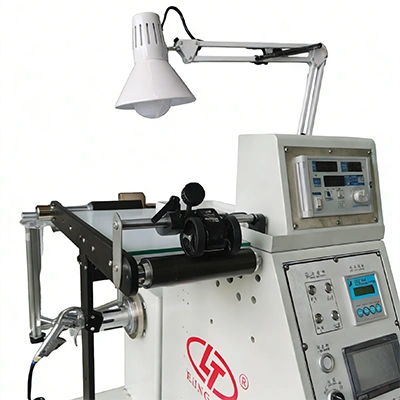
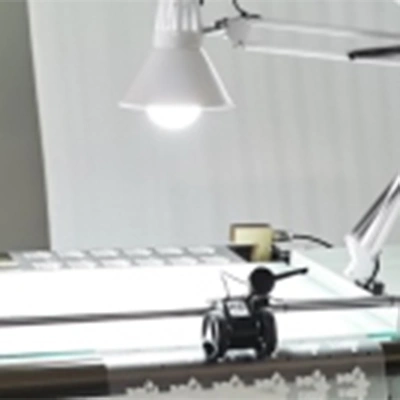
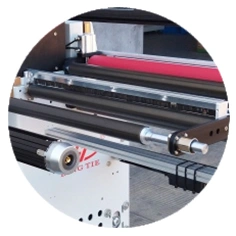
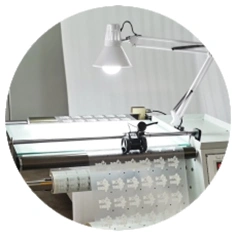
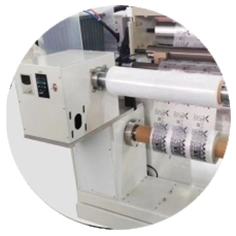
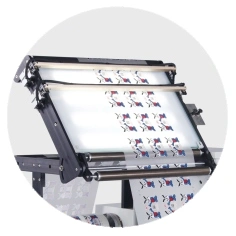
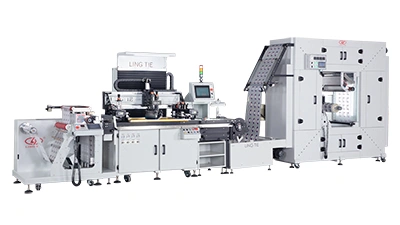
Doctoring rewinding machines are used to inspect flexible web materials and sheets before it moves on to the next production stage. While the roll is being rewound, the operator can examine the printed surface and pause the web if something needs to be checked or corrected. To ensure an easier visual inspection, the web runs across a horizontal glass table with white backlighting underneath and an additional light above. Thanks to their automatic web guiding, the material stays aligned during rewinding, while the flat inspection area gives the operator enough space to examine the web as it moves through the machine.

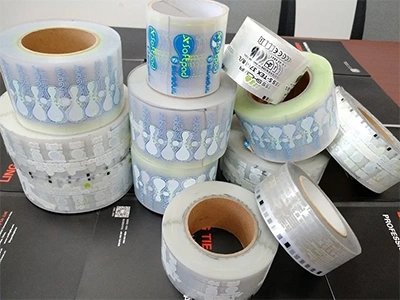
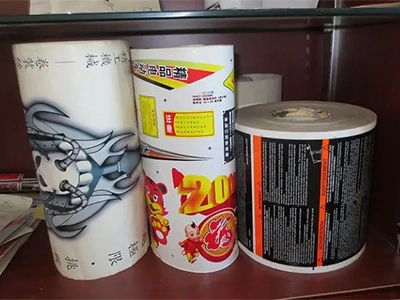
Samples of Materials for Inspection
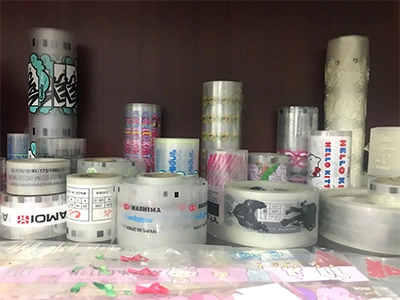
  • Samples of Materials for Inspection
  • Samples of Materials for Inspection
  • Samples of Materials for Inspection
Technical Specifications
Model LTD-400B LTD-600B LTD-700B LTD-900B (5th Gen.) LTD-1000B (5th Gen.)
Max. Web Width mm 400 600 700 900 1000
Max. Load kg 70(customizable) 70(customizable) 70(customizable) 200(customizable) 200(customizable)
Max. Roll Diameter mm 650 650 650 910 910
Power Supply V / kW 220 / 0.75 220 / 1.7 220 / 1.7 220 / 1.7 220 / 1.7
Electromagnetic Tension N 0–25 0–25 0–25 100 100
Web Guide Stroke mm 140(±70) 140(±70) 140(±70) 140(±70) 140(±70)
Net Weight kg 290 330 360 600 630
Machine Dimensions (L×W×H) mm 1000×950×1050 (+100adjustable) 1000×1150×1050 (+100adjustable) 1000×1250×1050 (+100adjustable) 1310×1664×1140 (+100adjustable) 1310×1764×1140 (+100adjustable)
Other sizes and models are available upon request. Weight varies depending on the final machine configuration.
Components
  • Inspection table
    Inspection table
  • Inspection light
    Inspection light
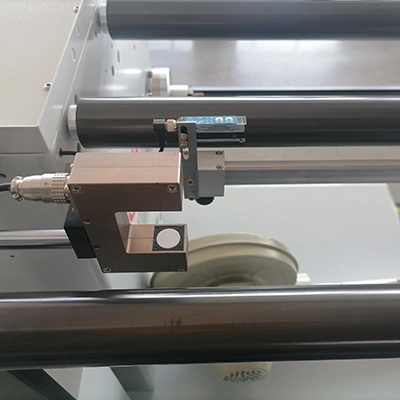
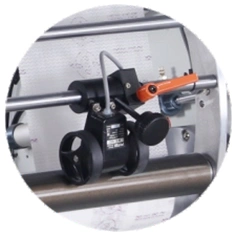
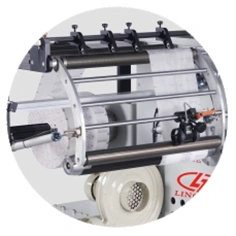
  • Web guide unit
    Web guide unit
Optional functions
  • PLC-controlled constant speed
    PLC-controlled constant speed
  • Web cleaning
    Web cleaning
  • Corona treater for conductive materials
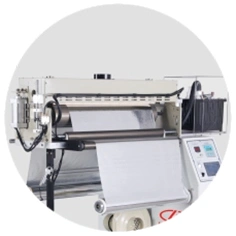
    Corona treater for conductive materials
  • Semi-automatic electromagnetic tension control
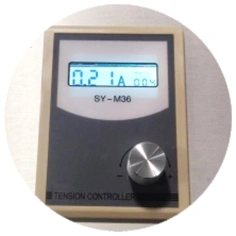
    Semi-automatic electromagnetic tension control
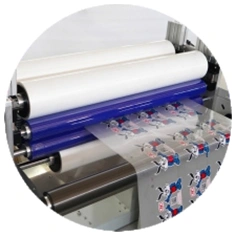
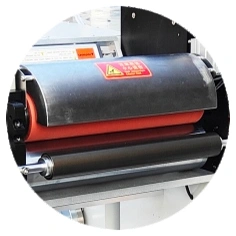
  • Laminating function
    Laminating function
  • Metering function
    Metering function
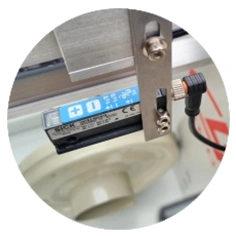
  • Counting function
    Counting function
  • Heating function
    Heating function
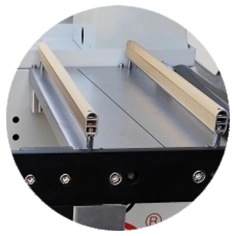
  • Splicing table
    Splicing table
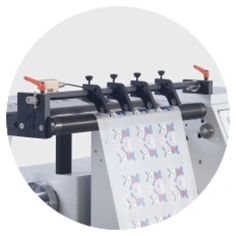
  • Anti-static brushes
    Anti-static brushes
  • Inspection table
    Inspection table
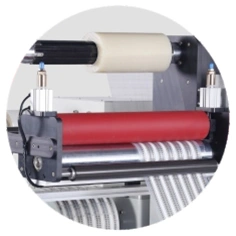
  • Pneumatic pressure
    Pneumatic pressure
  • Film peeling
    Film peeling
  • Sloped inspection table
    Sloped inspection table
  • Rotary-knife slitting
    Rotary-knife slitting
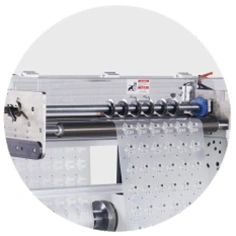
  • Razor- blade slitting
    Razor- blade slitting
Backed by 20+ years of engineering expertise, LINGTIE is a direct manufacturer specializing in industrial printing equipment and label finishing equipment, delivering roll-to-roll screen printing lines, letterpress printing presses, and automatic heat transfer presses. Serving global clients across packaging, textiles and apparel, labels, nonwoven products, electronics, plastic products, and paper processing, we offer a complete range of auxiliary equipment such as slitter rewinder, inspection rewinder, roll-to-sheet cutter, and UV curing machine to seamlessly convert raw substrates into precision-printed products. Global procurement partners trust LINGTIE because we manage the complete production process in-house, from precision machining to final assembly, delivering turnkey printing solutions with reliable performance, high accuracy, and long-term production stability for customers worldwide.
See All
    1. Unwind and Rewind

      Unwind and Rewind

      Unwind and rewind units are an essential part of roll-to-roll printing and converting lines because they control how flexible materials enter and leave the production process. The unwind unit releases the material from the supply roll at a controlled rate, while the rewind unit collects the processed web into a new roll at the other end of the line.

      Discover More
    1. Slitting and Cutting

      Slitting and Cutting

      Slitting and cutting machines are used after printing or during converting when the material needs to be cut into a different width, length, or sheet size before moving on to the next step. Depending on the job, they can divide wide rolls into narrower rolls, cut web materials into individual sheets, or trim sheets to their final dimensions.

      Discover More
    1. Surface Treatment

      Surface Treatment

      Corona treater uses a high-efficiency discharge treatment method to increase the surface energy of printing substrates and improve ink adhesion. Treatment intensity, electrode clearance, and material speed can all be adjusted to suit different substrates and production conditions.

      Discover More