Flat Bed Screen Printing Machine
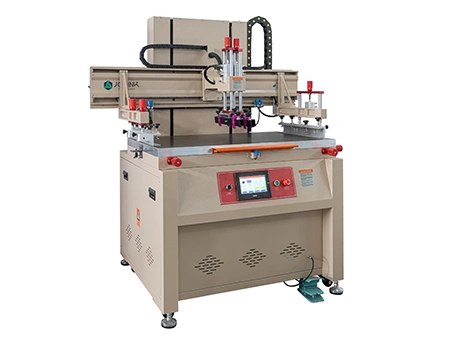
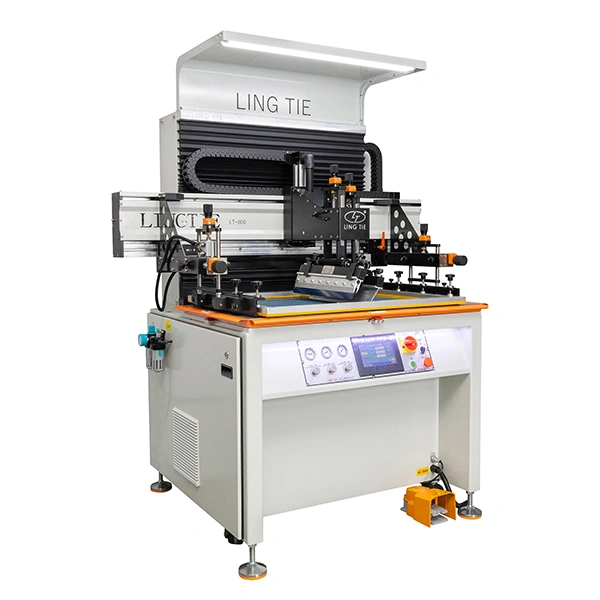
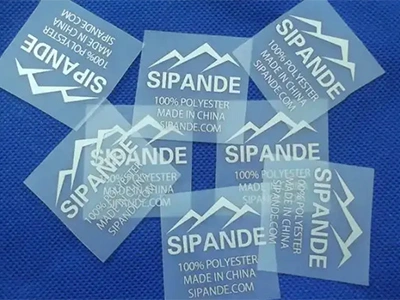
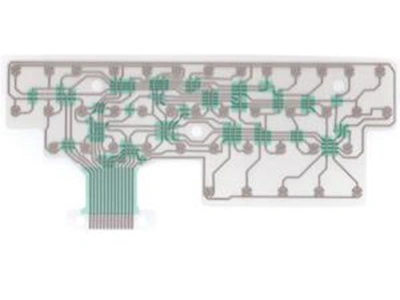
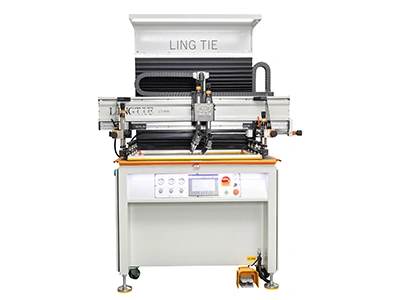
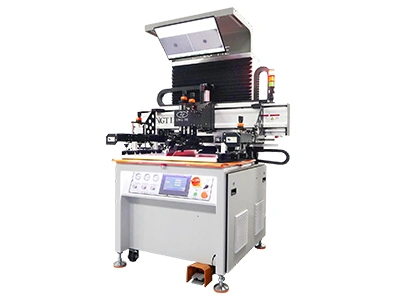
Flatbed screen printing machines are designed for precision printing on individual sheets and flat materials rather than continuous rolls. During the printing cycles, the substrate is placed on the printing table, while the flood bar spreads the ink across the screen and the squeegee presses it through the mesh onto the surface. Flatbed screen printers use servo-driven motion and PLC control to adjust the printing stroke and key settings for consistent accuracy. Substrate sheets can be loaded and unloaded manually or handled by an optional robotic system. Flatbed screen printers can process paper, paperboard, self-adhesive sheets, PCB boards, leather, fabric, and other flat materials for labels, control panels, graphic overlays, and electronic components.
-
Heat transfer labels
-
Flexible printed circuit (FPC)
-
Graphic overlay
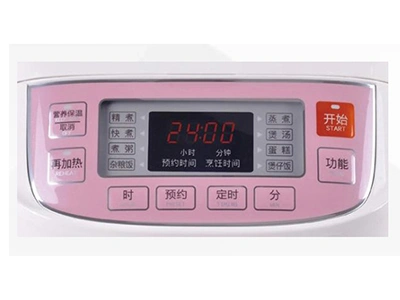
- Flatbed screen printers are designed for individual sheets, do not need unwinding or rewinding and can handle different sheet sizes and materials, from A4 sheets to larger formats.
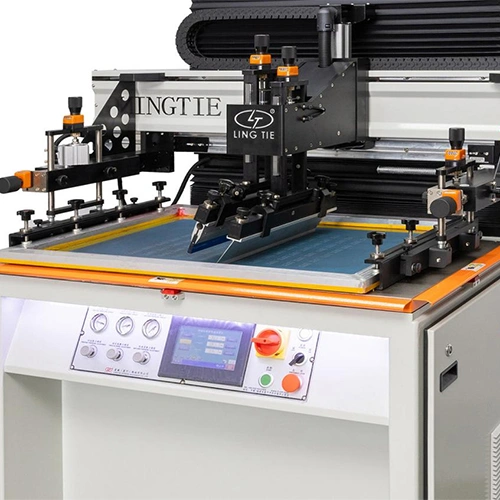
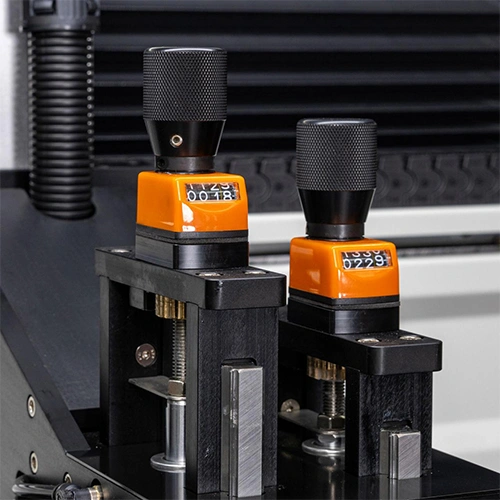
- The printing and anti-drip pressure are shown on separate gauges, so operators can adjust the settings more accurately when necessary.
- The vacuum table can run in continuous or intermittent suction mode to keep materials of different thicknesses flat and steady during printing. Operators can also adjust the printing settings for different substrates to maintain good accuracy without scratching the surface.
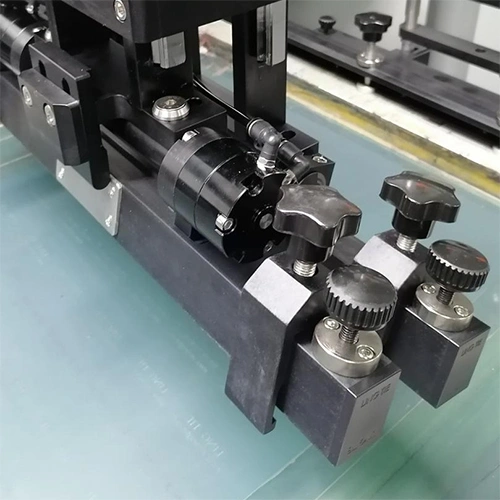
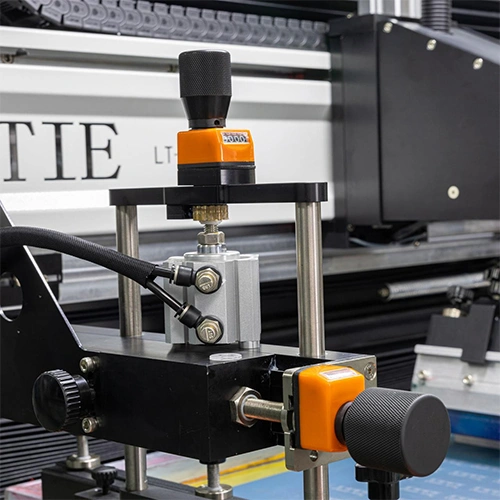
- The off-contact function is suitable for printing large solid areas and adhesives, as it helps prevent the screen from sticking to the substrate and reduces ink buildup on the mesh. An optional anti-drip function also helps reduce unwanted ink marks and color variations.
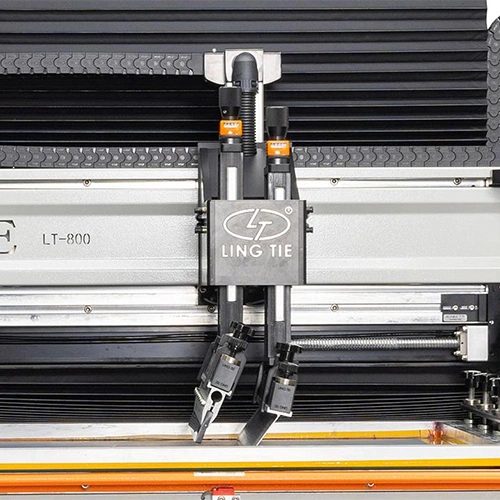
- Adjustment points are equipped with scales or digital indicators for easier setup. The squeegee and flood bar angles can be adjusted separately for different inks and printing requirements, and the double-sided squeegee can be used on both edges to extend its service life.
- The printing unit can be raised or lowered by servo control for operators to set the working height for different products and printing requirements.
- Flatbed screen printers have a modular design with space for optional functions, so extra modules can be added later as production needs change.
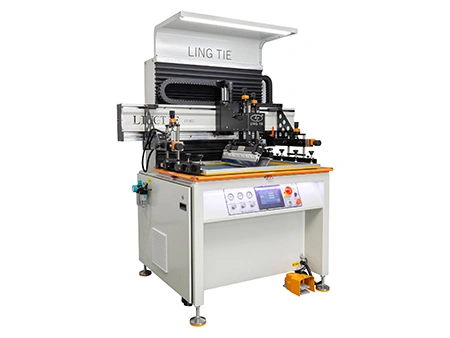
- Model: LTAD-4060 /4070 /4080/4090/40100/40110/40120/40130/40140
- Printing Area (W×L (mm)) :
Standard: 400×600 / 700 / 800 / 900 / 1000 / 1100 / 1200 / 1300 / 1400
CCD version: 360×600 / 700 / 800 / 900 / 1000 / 1100 / 1200 / 1300 / 1400 - Printing Speed (pcs/h): 0–1,200, depending on machine configuration, print size and application requirements
- Max. Screen Frame Size (W×L (mm)): 700×950 / 1050 / 1150 / 1250 / 1350 / 1450 / 1550 / 1650 / 1750
- Printing Table Size (W×L (mm)): 500×900
- Model: LTAD- 5060/5070/5080/5095/50100/50110/50120/50130/50140
- Printing Area (W×L (mm)) :
Standard: 500×600 / 700 / 800 / 900 / 1000 / 1100 / 1200 / 1300 / 1400
CCD version: 460×600 / 700 / 800 / 900 / 1000 / 1100 / 1200 / 1300 / 1400 - Printing Speed (pcs/h): 0–1,200, depending on machine configuration, print size and application requirements
- Max. Screen Frame Size (W×L (mm)): 800×950 / 1050 / 1150 / 1250 / 1350 / 1450 / 1550 / 1650 / 1750
- Printing Table Size (W×L (mm)): 500×900 / 600×1050 for the LTAD-5095
- Model: LTAD-6060 /6070 /6080 /6090 / 60100 /60110 /60120 /60130/60140
- Printing Area (W×L (mm)) :
Standard: 600×600 / 700 / 800 / 900 / 1000 / 1100 / 1200 / 1300 / 1400
CCD version: 560×600 / 700 / 800 / 900 / 1000 / 1100 / 1200 / 1300 / 1400 - Printing Speed (pcs/h): 0–1,200, depending on machine configuration, print size and application requirements
- Max. Screen Frame Size (W×L (mm)): 900×950 / 1050 / 1150 / 1250 / 1350 / 1450 / 1550 / 1650 / 1750
- Printing Table Size (W×L (mm)): 700×900
- Model: LTAD-7060 /7070 /7080/7090/70100/70110/70120/70130/70140
- Printing Area (W×L (mm)) :
Standard: 700×600 / 700 / 800 / 900 / 1000 / 1100 / 1200 / 1300 / 1400
CCD version: 660×600 / 700 / 800 / 900 / 1000 / 1100 / 1200 / 1300 / 1400 - Printing Speed (pcs/h): 0–1,200, depending on machine configuration, print size and application requirements
- Max. Screen Frame Size (W×L (mm)): 900×950 / 1050 / 1150 / 1250 / 1350 / 1450 / 1550 / 1650 / 1750
- Printing Table Size (W×L (mm)): 800×900
- Model: LTAD-8060 /8070 /8080 /8090/80100 /80110 /80120/80130/80140
- Printing Area (W×L (mm)) :
Standard: 800×600 / 700 / 800 / 900 / 1000 / 1100 / 1200 / 1300 / 1400
CCD version: 760×600 / 700 / 800 / 900 / 1000 / 1100 / 1200 / 1300 / 1400 - Printing Speed (pcs/h): 0–1,200, depending on machine configuration, print size and application requirements
- Max. Screen Frame Size (W×L (mm)): 1100×950 / 1050 / 1150 / 1250 / 1350 / 1450 / 1550 / 1650 / 1750
- Printing Table Size (W×L (mm)): 900×900
-
High-precision ground steel printing table provides all-round safety protection
-
Squeegee and flood bar with adjustable inclination angle
-
Squeegee with pressure adjustment and digital display
-
Anti-drip function
-
Screen peel-Off function with digital display of adjustment values at all adjustment points
-
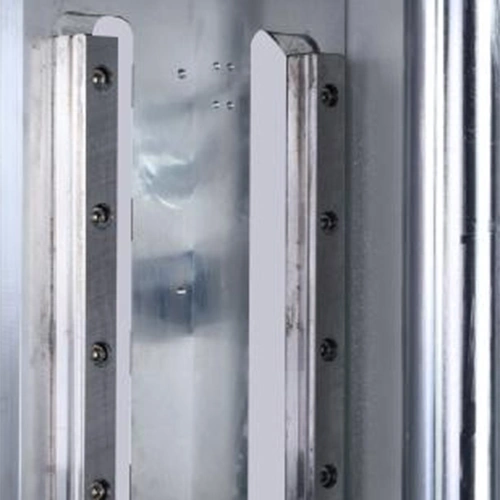
Six-column structure with four precision linear guide rails imported from Taiwan improves repeat positioning accuracy, stability and durability.
-
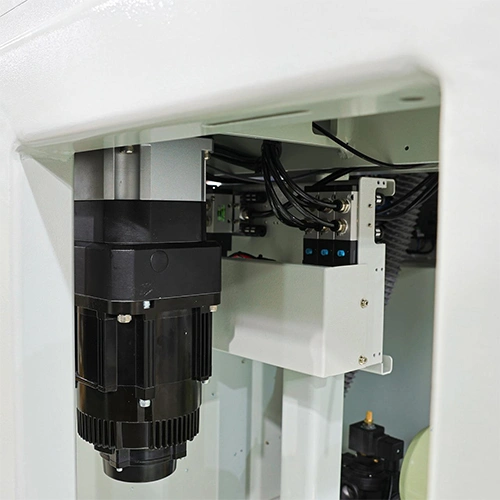
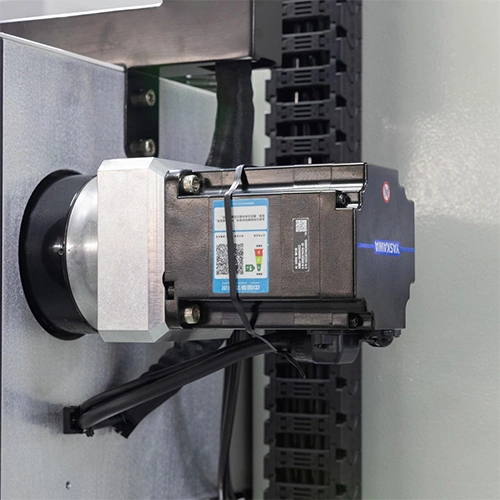
Yaskawa servo motor works with Taiwanese-brand reduction drive to ensure precision
-
Servo-controlled lifting